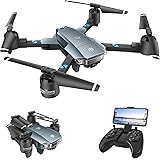
Beyond Aesthetics: The Aerodynamic Edge of Fighter Jet Drone Design
Traditional multi-rotor drones, while incredibly versatile, often sacrifice raw speed and long-range efficiency for stable hover capabilities. Fighter jets, conversely, are engineered for extreme velocity, acute maneuverability, and stealth, achieved through meticulous aerodynamic profiling. When drone designers draw inspiration from these aerial predators, they’re not just creating eye-catching devices; they are fundamentally rethinking the flight envelope of Unmanned Aerial Vehicles (UAVs). Consider the principles of laminar flow and drag reduction inherent in a fighter jet’s sleek fuselage and swept wings. Applying these concepts to a **fighter jet drone** can drastically minimize air resistance, allowing for higher top speeds and more efficient battery consumption. This efficiency translates directly into extended flight times and greater operational ranges, critical factors for professional drone operators. Elements like a delta wing configuration or even subtle canards, common in advanced aircraft, can enhance lift generation and improve stability, especially during high-speed transit or in turbulent atmospheric conditions.Precision Control: Maneuvering a Fighter-Inspired UAV
The video briefly touches upon “small controls,” a concept central to the agility of any aerial vehicle. In the context of a **fighter jet drone**, this takes on a new dimension. While multi-rotors rely on differential thrust from individual motors for movement, a fixed-wing, fighter-inspired drone leverages control surfaces like ailerons, elevators, and rudders. These surfaces, often miniaturized and actuated by high-precision servos, allow for incredibly responsive and nuanced flight adjustments. Imagine the thrust vectoring capabilities of a modern fighter, allowing it to perform incredible aerial ballet. While direct replication might be impractical for smaller drones, the underlying philosophy of dynamic control is adopted. Advanced flight controllers integrate data from gyroscopes, accelerometers, and GPS modules, translating pilot inputs into precise movements of these control surfaces. This sophisticated interplay ensures the drone can execute tight turns, rapid ascents, and controlled descents with a fluidity that belies its size, mirroring the nimble actions of its full-scale inspiration. Such fine-tuned control is paramount for tasks requiring pinpoint accuracy, from industrial inspections to complex cinematic sequences.Integration of Camera Systems: The Eyes of the Aerial Predator
The term “**drone camera**” implies a primary function beyond mere flight – capturing high-quality imagery or video. Integrating sophisticated optical payloads into a design as specific as a fighter jet model presents unique engineering challenges. The aerodynamic fuselage, optimized for speed, must also provide a stable, vibration-free platform for delicate camera equipment. This often involves internal gimbals or highly sophisticated digital stabilization systems that compensate for the drone’s movements. The sleek, often pointed nose cone of a fighter-inspired drone can house a forward-facing camera, offering an unencumbered field of view akin to a pilot’s cockpit. This contrasts with traditional drones where gimbals often hang beneath the aircraft, susceptible to prop wash or external interference. Such integration means the camera becomes an intrinsic part of the drone’s aerodynamic profile, rather than an add-on. For tasks like fast-paced surveillance or capturing dynamic action shots, this seamless integration provides superior stability and less visual obstruction, enhancing the overall quality and usability of the aerial footage.The Operational Impact: What a Fighter-Jet Drone Offers Pilots
For pilots operating these specialized UAVs, the benefits are tangible and distinct. A **fighter jet drone** is not just about looks; it’s about performance. Pilots gain access to a platform capable of higher speeds, which reduces transit time for large-area surveys or enables faster pursuit in dynamic scenarios. The enhanced aerodynamic stability translates to smoother footage, even in challenging environmental conditions, reducing post-production effort. Consider the applications: a rapid response inspection of vast infrastructure, high-speed tracking for wildlife observation, or the capture of breathtaking, cinematic aerials that demand sweeping, fast-moving shots. While traditional multi-rotors excel in hovering and precision close-up work, fighter-inspired designs open doors to missions requiring velocity and sustained flight efficiency. However, the operational complexity can be higher; piloting such a drone demands a nuanced understanding of fixed-wing aerodynamics and more advanced flight controls, differing significantly from the intuitive controls of many consumer-grade DJI models. The expertise required matches the sophistication of the aircraft itself.The Future of Drone Evolution: Where Design Meets Function
The emergence of **fighter jet drone** designs is a clear indicator of the drone industry’s relentless pursuit of innovation. This trend suggests a future where specialized UAVs will be purpose-built for specific missions, rather than relying on generalized platforms. We might see further integration of advanced materials, such as carbon fiber composites, to further reduce weight and increase structural integrity, mirroring advancements in aerospace engineering. The blending of form and function will continue to evolve, with designers seeking inspiration from a wider array of natural and man-made systems. Biomimicry, for instance, could lead to drones that mimic the flight patterns of birds of prey for enhanced agility or silent operation. Ultimately, the goal remains the same: to create an aerial platform that is more efficient, more capable, and more adaptable, continually pushing the boundaries of what a drone can achieve in the skies.Post-Flight Debrief: Your Fighter Jet Drone Q&A
What is a fighter jet drone?
A fighter jet drone is a type of drone camera designed to resemble a fighter jet, combining sleek looks with advanced flight capabilities.
Why are some drones designed to look like fighter jets?
This design isn’t just for looks; it provides aerodynamic benefits like higher speeds, better efficiency, and extended flight times compared to traditional drones.
How do fighter jet drones control their movement differently from regular drones?
Unlike multi-rotor drones that use propellers for movement, fighter jet drones use control surfaces like ailerons, elevators, and rudders, similar to real airplanes, for precise and agile flight.
What are the main benefits of using a fighter jet drone for taking photos or videos?
These drones offer superior stability, especially at high speeds, and integrate the camera seamlessly into their design, leading to clearer footage and less obstruction.