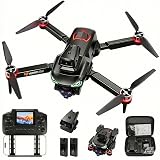
Farmers worldwide are continually seeking innovative methods. They want to boost efficiency. They also aim to reduce costs. Precision agriculture offers many solutions. One key advancement is the agriculture spray drone.
Industry reports suggest drone adoption in agriculture is rapidly growing. Many farms see up to 30% reduction in water usage. They also report significant chemical savings. The video above beautifully showcases a modern agriculture spray drone in action. It demonstrates its agility and precision. This technology is changing how crops are managed. It offers powerful benefits for today’s growers.
Revolutionizing Crop Care with an Agriculture Spray Drone
Traditional spraying methods face numerous challenges. Large tractors compact soil. They require significant fuel. Their booms can damage crops. Manual spraying is labor-intensive. It also poses health risks. An agriculture spray drone overcomes these hurdles. It brings efficiency and precision to the field.
Drones provide unparalleled access. They can reach difficult terrain. Steep hills are no problem. Wet fields are easily covered. This means fewer delays. Crops receive timely treatment. This is crucial for pest control and nutrient delivery.
Key Advantages of Drone Spraying
Adopting drone technology yields many benefits. These advantages impact profitability and sustainability.
- Enhanced Precision: Drones use advanced GPS. They integrate RTK (Real-Time Kinematic) systems. This ensures highly accurate spraying. Target specific plants or areas. Avoid unnecessary chemical application. This minimizes waste. It also protects the environment.
- Reduced Resource Consumption: Variable rate application is standard. Drones apply chemicals only where needed. This saves water and pesticides. Some estimates show up to 20-40% savings. Fertilizers are also optimized.
- Increased Efficiency and Speed: Drones cover large areas quickly. They operate autonomously. One drone can often replace multiple manual laborers. This significantly cuts labor costs. It frees up workers for other tasks.
- Improved Crop Health and Yield: Timely application prevents widespread issues. Targeted treatment stops disease faster. Healthier crops lead to higher yields. This directly impacts farmer income.
- Minimized Soil Compaction: Drones fly above the crops. They never touch the soil. This prevents compaction. Healthy soil structure is maintained. It promotes better root growth.
- Operator Safety: Farmers avoid direct chemical exposure. Drones handle the spraying. This reduces health risks. It creates a safer working environment.
Choosing the Best Agriculture Spray Drone
Selecting the right agriculture spray drone is important. It depends on several factors. Consider farm size, crop types, and budget. Each model offers different capabilities. Evaluate these features carefully.
Essential Features to Look For
Modern ag spray drones include sophisticated technology. These features enhance performance and ease of use.
- Payload Capacity: This is crucial. It determines the amount of liquid a drone can carry. Larger tanks mean fewer refills. This increases operational efficiency. Consider your field size. Match it with drone capacity.
- Battery Life & Swapping System: Longer flight times are better. Efficient battery swapping is key. Quick changes minimize downtime. Keep spare batteries charged. This ensures continuous operation.
- GPS & Navigation Systems: Look for RTK or PPK (Post-Processed Kinematic) GPS. These provide centimeter-level accuracy. Autonomous flight planning is vital. Obstacle avoidance sensors prevent crashes.
- Spray System & Nozzles: High-quality nozzles ensure even coverage. Adjustable flow rates are important. Some drones offer centrifugal atomizing nozzles. These create fine, uniform droplets. This improves chemical penetration.
- Durability & Weather Resistance: Agricultural environments are harsh. Drones need robust construction. They should withstand dust, water, and chemicals. IP ratings indicate resistance levels.
- Ease of Operation & Software: User-friendly software simplifies planning. Intuitive controls are a must. Many drones come with companion apps. These offer real-time monitoring.
Applications of an Agriculture Spray Drone
The versatility of agriculture spray drones is vast. They handle many farm tasks. This makes them invaluable tools.
Precision Pest and Disease Control
Spot spraying targets specific outbreaks. Drones identify affected areas using multispectral cameras. They then apply fungicides or insecticides precisely. This saves chemicals. It also prevents resistance development.
Targeted Fertilization
Nutrient deficiencies vary across fields. Drones deliver liquid fertilizers where needed. This boosts plant growth. It avoids over-fertilization in other areas. This protects soil and water quality.
Weed Management
Herbicide application can be highly targeted. Drones map weed infestations. They spray only the weeds. This reduces chemical drift. It protects desirable crops nearby.
Growth Regulators and Defoliants
Applying growth regulators precisely is vital. Drones ensure uniform application. This helps manage plant development. Defoliants are used before harvest. Drones can apply these evenly. This aids in crop readiness.
Integration with Smart Farming Practices
An agriculture spray drone is part of a larger ecosystem. It integrates with other smart farming technologies. This creates a comprehensive management system.
Sensors collect data on crop health. Satellites provide broader field insights. AI analyzes this vast information. It generates prescription maps. Drones then execute these maps. They perform precise tasks. This closed-loop system optimizes every step. It leads to truly intelligent farming.
Future of Drone Technology in Agriculture
The evolution of agriculture spray drone technology continues. Expect even greater autonomy. Improved battery technology will extend flight times. AI-powered analytics will become more sophisticated. Drones might soon perform multiple tasks. They could spray, monitor, and even plant seeds. The future of farming is undeniably linked to these powerful flying tools.
The agriculture spray drone is not just a tool. It is a vital component. It builds sustainable and profitable farm operations. Farmers adopting this technology gain a significant edge. They optimize resources. They boost yields. They protect the environment. It is an exciting time for agricultural innovation.
Fielding Your Queries: Agriculture Spray Drone Q&A
What is an agriculture spray drone?
An agriculture spray drone is a specialized drone used by farmers for precision spraying tasks like applying water, chemicals, and fertilizers to crops. It helps boost efficiency and reduce costs in modern farming.
Why are farmers using agriculture spray drones?
Farmers use these drones to overcome challenges with traditional methods, such as soil compaction from tractors or the labor-intensive nature of manual spraying. Drones offer efficiency, precision, and operator safety.
What are the main benefits of using a spray drone for crops?
Key benefits include enhanced precision in spraying, reduced consumption of water and chemicals, increased efficiency and speed in covering fields, and improved crop health leading to higher yields.
What can agriculture spray drones be used for on a farm?
These versatile drones can be used for precision pest and disease control, targeted fertilization, effective weed management, and applying growth regulators or defoliants to specific areas.