Embracing Agricultural UAVs for Precision Pesticide Spraying
Agricultural UAVs, or drones, represent a significant leap forward in precision agriculture. These flying robots offer a level of control and efficiency that traditional spraying methods often cannot match. Farmers worldwide are adopting drone technology to enhance crop health, manage pests more effectively, and optimize resource utilization. This shift is not merely a trend; it’s a strategic investment in the future of sustainable and productive farming. Drones excel in navigating complex terrains, including hilly areas or fields with obstructions, where ground machinery struggles. They minimize soil compaction, a common issue with heavy tractors, and can operate quickly, covering large areas in a fraction of the time. For crops like rape flowers, which require delicate handling and precise application to ensure health and yield, agricultural UAV pesticide spraying becomes an invaluable tool.Understanding the Core Components of Drone Spraying Systems
An effective agricultural drone spraying system involves several key components working in harmony. At its heart is the drone itself, which can range from smaller multi-rotor models to larger, more powerful single-rotor designs. These aircraft carry specialized payload systems, including tanks for liquids and precision nozzles designed for even and controlled distribution of pesticides, herbicides, or fertilizers. Advanced GPS and RTK (Real-Time Kinematic) technology enable drones to follow predefined flight paths with centimeter-level accuracy. This ensures that every square meter of the field receives the optimal amount of chemical, minimizing waste and environmental impact. Furthermore, sophisticated flight control systems allow for autonomous operation, reducing the need for constant human intervention and increasing safety. The integration of these technologies transforms a simple drone into a powerful precision agriculture tool, critical for efficient **agricultural UAV pesticide spraying**.Single-Rotor vs. Four-Rotor Drones: A Comparative Look
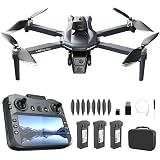
When considering agricultural UAV pesticide spraying, one of the primary decisions revolves around the type of drone: single-rotor or multi-rotor (like the four-rotor model seen in the video). Each design offers distinct advantages and trade-offs, making the choice dependent on specific farming needs and operational priorities.The Power and Endurance of Single-Rotor Agricultural Drones
Single-rotor drones often resemble miniature helicopters. They typically feature one large main rotor for lift and a smaller tail rotor for directional control. * **Payload Capacity:** These drones generally boast higher payload capacities, allowing them to carry larger tanks of liquid. This translates to longer operational times between refills and the ability to cover more ground in a single flight. * **Flight Endurance:** Due to their aerodynamic efficiency and often fuel-powered engines, single-rotor drones can achieve significantly longer flight times compared to battery-powered multi-rotors. This makes them ideal for very large fields or extensive spraying operations. * **Wind Resistance:** Their robust design and powerful rotors provide better stability in windy conditions, ensuring more consistent spraying patterns even when the weather is less than ideal. * **Maintenance:** While powerful, single-rotor drones can be more complex to maintain, often requiring specialized knowledge due to their mechanical intricacies.The Agility and Simplicity of Four-Rotor (Multi-Rotor) Agricultural Drones
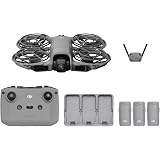
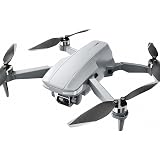
Four-rotor drones, a type of multi-rotor UAV, are characterized by multiple propellers (typically four, six, or eight) providing lift and control. * **Maneuverability:** Multi-rotor drones are highly agile, capable of precise hovering and tight turns. This makes them excellent for smaller, irregularly shaped fields or areas requiring highly targeted application. * **Ease of Use:** They are generally easier to learn, operate, and maintain, appealing to farmers or operators new to drone technology. Their electric power systems simplify refueling/recharging. * **Cost-Effectiveness:** Often, multi-rotor drones have a lower initial investment cost compared to their single-rotor counterparts, making them an accessible entry point into precision spraying. * **Flight Stability:** Advanced flight controllers ensure excellent stability, which is crucial for uniform spray distribution. However, extreme winds can be more challenging for these lighter systems. In the context of the video, observing both single-rotor and four-rotor models in a pesticide spraying test for rape flowers highlights their respective strengths. A single-rotor might offer speed and coverage for vast fields, while a four-rotor provides the agility for more detailed, nuanced work around field edges or obstacles.Benefits of Drone Pesticide Application for Rape Flower Cultivation
The specific application of **agricultural UAV pesticide spraying** to crops like rape flowers (canola) brings numerous advantages: * **Precision Targeting:** Drones can identify and target specific areas or even individual plants affected by pests or diseases. This reduces the overall volume of pesticides used, lowering costs and minimizing environmental impact. * **Improved Coverage and Penetration:** Drone-mounted nozzles can deliver sprays uniformly, even penetrating dense crop canopies. For rape flowers, ensuring thorough coverage of all plant parts is critical for effective pest and disease control, directly impacting seed yield and oil quality. * **Reduced Chemical Exposure:** By automating the spraying process, drones significantly reduce human exposure to potentially harmful chemicals. Operators can manage the drones safely from a distance, enhancing farm safety. * **Time and Labor Savings:** Drones operate much faster than manual spraying and require less labor than ground equipment. This efficiency is crucial during critical spraying windows when weather conditions are optimal. * **Minimal Crop Damage:** Unlike heavy machinery that can compact soil or damage crops during passage, drones fly above the canopy, leaving the field undisturbed. This preserves soil health and prevents yield loss from physical damage. * **Data-Driven Decision Making:** Many agricultural drones are equipped with cameras and sensors that collect valuable data on crop health, growth patterns, and pest infestations. This data can inform future spraying decisions, leading to more intelligent and proactive crop management strategies.Navigating Challenges and The Future of Agri-Drone Technology
While the benefits of **agricultural UAV pesticide spraying** are clear, adopting this technology also presents challenges. Regulatory hurdles, requiring specific certifications and operating licenses for drone pilots, can be complex. Initial investment costs, though often offset by long-term savings, can be a barrier for some farmers. Furthermore, battery life for electric drones requires careful management, and weather conditions like strong winds or heavy rain can limit operational windows. Despite these challenges, the future of agricultural drone technology looks incredibly promising. Ongoing advancements in battery technology, artificial intelligence, and sensor capabilities are continually enhancing drone performance and autonomy. We are likely to see more sophisticated mapping, real-time disease detection, and integrated farm management systems where drones communicate seamlessly with other smart agricultural equipment. The continuous evolution of these tools promises to make farming even more productive, sustainable, and less labor-intensive, securing a prosperous future for global food production.Buzzing with Answers: Your Q&A on Drone Spraying for Golden Blooms
What is an agricultural UAV?
An agricultural UAV, or drone, is a flying robot used in farming to perform tasks like pesticide spraying with high control and efficiency. It helps farmers manage crops and pests more effectively.
Why are drones beneficial for spraying pesticides on crops?
Drones can cover large areas quickly, navigate difficult terrain, and minimize soil damage that heavy ground equipment might cause. They also offer more precise application of pesticides.
What are the main types of agricultural drones used for spraying?
The two main types are single-rotor drones, which resemble miniature helicopters, and multi-rotor drones, often with four propellers. Both are used for different farming needs.
How do drones ensure precise pesticide application?
Drones use advanced GPS and RTK technology to follow exact flight paths with high accuracy. This ensures that the optimal amount of pesticide is applied to specific areas, minimizing waste.