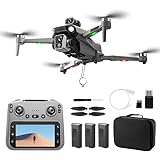
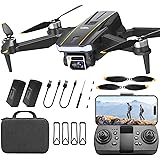
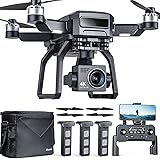
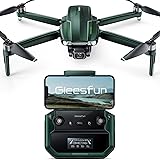
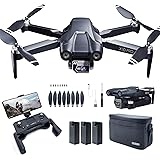
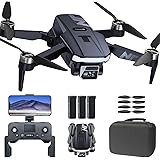
The convergence of traditional fixed-wing aviation and advanced multirotor technology presents significant challenges. Pilots often face a dilemma. They must choose between the endurance of gliders and the versatile maneuverability of quadcopters. This choice impacts mission flexibility and operational scope. Introducing a hybrid aircraft offers a compelling solution. The RTF Fighter RC Plane featured above embodies this innovative integration. It provides both aerial stability and dynamic flight capabilities. This model delivers unparalleled adaptability for enthusiasts and professionals alike.
The Evolution of Hybrid RC Aircraft Design
Hybrid RC aircraft represent a paradigm shift. They blend characteristics from diverse aerial platforms. This design merges fixed-wing glider efficiency with electric drone quadcopter features. Such an integration addresses critical operational gaps. Traditional fixed-wing models excel in sustained flight. Their lift generation is aerodynamic. Multirotor drones offer vertical takeoff and landing (VTOL) functionality. They provide precise hovering capabilities. Combining these elements creates a versatile platform. This system adapts to varied mission requirements. It navigates complex environments with ease.
Integrating Fixed-Wing Aerodynamics with Multirotor Propulsion
Achieving this synergy requires sophisticated engineering. The core challenge involves propulsion system integration. A fixed-wing configuration typically relies on a single pusher or puller propeller. Multirotor systems utilize multiple independent motors. A hybrid design often incorporates both. It might use tilt-rotor mechanisms. Alternatively, separate dedicated propulsion units are employed. These allow seamless transitions between flight modes. The wing design is also crucial. It must provide sufficient lift for forward flight. Yet, it must not impede VTOL operations. Efficient aerodynamic profiles are paramount. These profiles minimize drag across flight envelopes. This optimization enhances overall performance.
Control algorithms are equally vital. They manage the complex interplay of forces. These forces occur during mode transitions. The aircraft must maintain stability. This applies during conversion from hover to forward flight. It also applies during the reverse. Advanced flight controllers handle these demands. They ensure smooth, predictable operation. This sophisticated control system distinguishes true hybrid platforms.
Key Features of an Advanced RTF Fighter RC Plane
An RTF Fighter RC Plane, equipped with hybrid capabilities, offers distinct advantages. Its design targets high performance and user accessibility. Ready-To-Fly (RTF) designation ensures minimal setup. Users can deploy the aircraft rapidly. This is a significant benefit for hobbyists. It also aids field operations for professionals. The “fighter” aspect often implies agile handling. It suggests a robust airframe. Such a plane can withstand dynamic flight maneuvers. The integration of drone features elevates its utility.
VTOL and Versatile Flight Modes
Vertical Takeoff and Landing (VTOL) is a standout feature. It liberates the aircraft from runway dependency. This enables operation in confined spaces. Pilots can launch and recover from almost any location. After takeoff, the aircraft transitions to fixed-wing mode. This mode conserves battery power. It allows for extended flight durations. Long-range reconnaissance becomes feasible. The ability to switch back to multirotor mode is critical. It facilitates precision hovering. This allows for detailed observation or targeted payload delivery. These flight modes define its operational flexibility. They make it suitable for diverse applications.
Advanced Control Systems and Stability
Modern RTF Fighter RC Plane models incorporate sophisticated control electronics. These systems provide exceptional flight stability. Gyroscopes and accelerometers maintain level flight. GPS modules enable autonomous capabilities. Features like return-to-home are standard. Waypoint navigation can also be programmed. These systems reduce pilot workload. They enhance flight safety significantly. Stability is crucial for accurate data collection. It supports precise maneuvering in gusty conditions. This advanced control infrastructure underpins reliable performance.
Operational Advantages and Potential Applications
The utility of a hybrid RTF Fighter RC Plane extends far beyond recreational flying. Its unique combination of features opens new avenues. These aircraft bridge the gap between traditional RC planes and commercial drones. They offer a cost-effective solution. They provide high performance without the complexity of larger UAVs. Professionals recognize their intrinsic value. Their versatility makes them indispensable tools.
Enhanced Efficiency and Adaptability
Hybrid designs offer superior energy efficiency. Fixed-wing flight consumes less power. It outperforms multirotors over long distances. This translates to extended flight times. Increased operational range is another benefit. The RTF Fighter RC Plane adapts to various terrains. It handles diverse weather conditions effectively. Its robust construction ensures durability. This capability minimizes downtime. It maximizes mission success rates. Such adaptability is a competitive advantage.
Beyond Recreation: Practical Use Cases
Consider agricultural applications. These planes can conduct crop surveillance. They cover large areas quickly. Their hovering capability allows spot-checking. They pinpoint areas needing attention. In infrastructure inspection, they excel. Bridges, pipelines, and power lines are easily surveyed. Data collection is efficient and safe. Emergency services also find value. They perform search and rescue operations. These aircraft assess disaster zones rapidly. Their rapid deployment is invaluable. The RTF Fighter RC Plane also assists in environmental monitoring. It tracks wildlife or monitors pollution. This versatility defines its broad appeal.
Future Trends in Hybrid RC Aircraft Technology
The trajectory for hybrid RC aircraft remains upward. Innovation continues at a rapid pace. New materials and propulsion systems are emerging. These advancements promise even greater capabilities. Miniaturization of components is also a key trend. This allows for more compact, portable designs. Battery technology improvements will extend endurance further. The future holds exciting possibilities.
Advancements in Propulsion and Power Systems
Electric ducted fan (EDF) technology is one area of focus. It offers higher thrust-to-weight ratios. EDFs integrate cleanly into airframes. This reduces drag significantly. Hydrogen fuel cells are also being explored. They promise substantial increases in flight duration. Improved battery chemistries will provide more energy density. These power system upgrades directly enhance performance. They enable more ambitious flight profiles.
Smarter Autonomy and Human-Machine Interaction
Artificial intelligence will play a larger role. Autonomous navigation will become more sophisticated. Real-time obstacle avoidance will improve. Machine learning enhances flight control. It adapts to changing environmental conditions. Gesture control interfaces may emerge. These will simplify pilot interaction. The goal is to make these advanced aircraft even more accessible. This fosters broader adoption. The RTF Fighter RC Plane serves as a foundational platform. It drives these ongoing technological advancements within model aviation.
Flight Debriefing: Your Questions on the Hybrid RTF Fighter-Glider-Drone
What is an RTF Fighter RC Plane?
It is a unique remote-control aircraft that combines the steady flight of a fixed-wing glider with the versatile features of an electric drone quadcopter.
What does “RTF” mean?
RTF stands for “Ready-To-Fly,” meaning the aircraft comes mostly assembled and needs very little setup before you can start flying it.
What is Vertical Takeoff and Landing (VTOL) capability?
VTOL allows the aircraft to take off and land straight up and down, just like a drone, without needing a runway. This lets you fly it from almost any location.
What are some practical uses for this type of hybrid RC plane?
Beyond just recreation, these planes can be used for tasks like monitoring crops, inspecting bridges and power lines, or assisting in search and rescue missions.