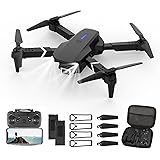
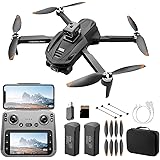
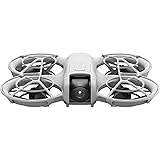
Imagine soaring through the sky like a bird. You weave around trees, dip low over water, and perform acrobatic flips. This incredibly immersive experience is what awaits with an FPV drone. If you have watched the video above, you understand the thrill. You also know that an FPV drone is not just a toy. It is a complex machine. It relies on precise integration of many components. Building and flying one requires understanding these parts. Each piece plays a critical role. Together, they create a seamless flight experience. This guide expands on those components. It offers deeper insights for beginners.
Understanding Your FPV Drone: Beyond the Basics
An FPV drone offers a unique perspective. FPV stands for First Person View. A camera on the drone sends live video. This video goes to special goggles. Pilots see what the drone sees. This provides a truly immersive feeling. Unlike standard camera drones, FPV models demand manual control. They are built for speed and agility. Their acrobatic capabilities are remarkable. Let us explore the key components that enable this.
The Foundational FPV Drone Frame
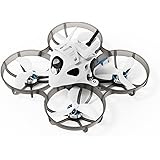
The frame is the backbone of any FPV drone. It provides mounting points for all parts. Frames are crafted from various materials. Carbon fiber is common for larger drones. It offers excellent durability and rigidity. Smaller drones, often used indoors, might feature plastic frames. These are lighter and more forgiving. Frame choice depends on your flying style. Freestyle frames are robust. They withstand crashes well. Cinematic frames prioritize smooth flight. They often reduce vibrations. Your frame dictates the overall size of your drone.
Frames are typically measured in two ways. One method uses the propeller size. A “5-inch frame” accommodates 5-inch propellers. Another common method measures from motor to motor. This provides a diagonal distance. These measurements are crucial. They ensure proper component fit. Frames also feature standardized mounting holes. These holes secure your electronics. Common patterns include 30x30mm or 20x20mm. Smaller frames might use a 26x26mm pattern. Matching your electronics to these patterns is vital.
The Brain: Flight Controller (FC)
The flight controller acts as the drone’s central nervous system. It processes all sensor data. Gyroscopes and accelerometers provide orientation. The FC interprets pilot commands. It then translates them into motor instructions. Wires from all electronic components connect to the FC. This is where configuration happens. A micro USB or USB-C port is usually present. This port allows connection to a computer. Specific software is used for settings adjustment. Firmware like Betaflight is installed on the FC. This software dictates drone behavior.
Flight controllers vary in processor power. F4 and F7 chips are common. F7 processors are faster. They can handle more complex calculations. This results in smoother flight. They also offer more UARTs (serial ports). More peripherals can be connected. Choosing an FC often involves matching its mounting pattern. It must align with the frame. Some flight controllers integrate other components. They may include an ESC or VTX. These are called all-in-one (AIO) boards. They simplify builds. However, a single component failure means replacing the whole board.
Powering the Props: Electronic Speed Controller (ESC)
Electronic Speed Controllers are critical for motor operation. An ESC takes signals from the flight controller. It then converts these into electrical power. This power drives the brushless motors. Each motor requires its own ESC. Often, a “four-in-one” ESC is used. This unit combines four individual ESCs on one board. It creates a cleaner build. Wires connect directly from the four-in-one ESC to the motors. Alternatively, individual ESCs can be mounted. These are attached to each drone arm. This offers easier replacement if one fails. Individual ESCs are generally less expensive per unit.
ESC firmware is essential. BLHeli32 is a popular modern option. It supports 32-bit processors. This allows for advanced features. Telemetry feedback is possible. “Turtle mode” helps flip a crashed drone. Older ESCs use 8-bit processors. They might run BLHeli_S firmware. Selecting the correct ESC amperage is also vital. It must match your motors’ power draw. Battery voltage compatibility is another factor. An ESC rated for 4S batteries cannot handle a 6S battery. Over-volting will cause damage.
The Force Behind Flight: Motors and Propellers
Brushless motors are the standard for FPV drones. They offer efficiency and power. Brushed motors are mostly found on tiny micro drones. Motors connect directly to the ESCs. Their size and power rating are important. KV rating determines motor speed. Higher KV motors spin faster. They are typically paired with smaller propellers. Lower KV motors spin slower. These are used with larger props. A 1700KV motor might be suited for a 5-inch freestyle drone. A 19000KV motor would power a much smaller craft. The correct motor choice impacts flight characteristics.
Propellers generate thrust. They translate motor rotation into lift. Propellers vary in size and blade count. A 5-inch drone uses 5-inch propellers. Tri-blade props offer good grip and control. They are popular for freestyle flying. Bi-blade props are often more efficient. They are preferred for long-range or cruising. Quad-blade and even five-blade props exist. Propeller material also matters. They can be stiff for performance. Flexible props might survive crashes better. Matching propellers to motors is crucial for optimal performance.
Seeing the World: Video Transmitter (VTX) and Camera
The Video Transmitter (VTX) broadcasts your drone’s view. It sends video from the camera. This signal goes to your FPV goggles. VTX units come in two main types. Analog VTXs are smaller and cheaper. They offer minimal latency. Their video quality is lower. Digital VTX systems provide high-resolution video. They have a higher price tag. Digital systems might introduce slight latency. Both types offer adjustable power output. Power is measured in milliwatts (mW). Higher mW settings offer greater range. 25mW is for close-range flying. 1000mW (1W) is for long distances. It also helps penetrate obstacles. Some VTXs integrate into the FC. This saves space in the build.
The FPV camera is your drone’s eye. It captures the video feed. Analog cameras connect directly to the VTX. They receive power from it. This helps protect against voltage spikes. Digital cameras connect via a single cable. This usually goes to a digital VTX system. Camera sizes vary. Micro and Mini cameras are common. They fit most frames. Full-size cameras are less frequent. Their dimensions are larger. An all-in-one camera/VTX unit exists. These are perfect for ultra-compact builds. They offer a simple FPV solution.
Controlling Your Craft: The Receiver (RX)
The receiver is how you control your FPV drone. It receives commands from your radio controller. The RX communicates these to the flight controller. Receiver choice depends on your radio. It also depends on your desired range. Different frequencies are used. 2.4 GHz is common for closer flying. 900 MHz systems offer greater range. This is preferred for long-distance flights. Protocols like ELRS (ExpressLRS) are popular. They provide robust and low-latency connections. FrSky is another common brand. Receivers always connect to the flight controller. They use specific serial ports. Configuration is needed in the FC software. This ensures proper communication.
Additional Essential FPV Drone Components
Beyond the core components, several other parts are vital. They enhance the FPV experience. Some are for convenience. Others provide crucial safety features. Consider these for your build:
-
Batteries: These power the entire system. Battery “S” rating determines voltage. A 4S battery provides more power than a 2S. All components must be compatible. Matching battery to drone components prevents damage. Battery capacity (mAh) affects flight time.
-
3D Printed Parts: Customization is a huge part of FPV. 3D printing offers unique solutions. GoPro mounts secure action cameras. Arm bumpers protect the frame. Antenna mounts optimize signal. Many designs are available online. They personalize your drone.
-
LEDs: Light Emitting Diodes are optional. They add visibility and style. Most modern FCs have LED pads. Colors and patterns can be customized. This is done through flight controller software. LEDs can help orientation in flight.
-
Beeper: A beeper is a sound-emitting device. It helps locate a downed drone. Imagine flying in tall grass. A loud beeper is invaluable. Some integrate with LEDs. This provides both sound and light. It simplifies recovery efforts.
-
GPS: Global Positioning System modules are for long-range flights. They record drone coordinates. In a signal loss, a GPS can trigger “return to home.” It guides the drone back. This prevents permanent loss. It adds a layer of safety for expensive builds.
-
Battery Straps: These secure the battery. They come in various sizes. A tight strap prevents battery ejection. This is vital during crashes. They ensure power stability during aggressive maneuvers. A loose battery can cause power loss. This leads to a crash.
Every component works in concert. This creates the incredible experience of flying an FPV drone. Understanding each part empowers you. It helps make informed build choices. This ensures a safe and enjoyable flight.
Your FPV Drone Questions: A First-Person View
What is an FPV drone?
An FPV drone offers an immersive “First Person View” flying experience, allowing the pilot to see what the drone sees through special goggles. Unlike standard camera drones, FPV models are manually controlled for speed and agility.
What is the main purpose of an FPV drone frame?
The frame is the structural base of an FPV drone, providing mounting points for all components and determining the drone’s overall size and durability.
What does the Flight Controller (FC) do in an FPV drone?
The Flight Controller (FC) acts as the drone’s brain, processing sensor data and pilot commands to translate them into instructions for the motors, ensuring stable and controlled flight.
How does a pilot see what their FPV drone sees?
A camera on the drone captures live video, which is then sent by a Video Transmitter (VTX) to special FPV goggles worn by the pilot.
What are ESCs and what is their role?
Electronic Speed Controllers (ESCs) take signals from the flight controller and convert them into electrical power to drive the brushless motors.