The sky has truly become a new frontier for innovation, with unmanned aircraft systems, commonly known as drones, soaring into various aspects of our daily lives. From capturing breathtaking aerial footage at a local park to revolutionizing logistics and even defense operations, these versatile devices are rapidly redefining possibilities. If you’ve ever watched a drone zip across the horizon or land gracefully, you might wonder about the specific capabilities that make each model unique. Understanding the different drone types is essential for appreciating their diverse applications and technological advancements.
The video above provides an excellent primer on various drone classifications, highlighting key characteristics that set them apart. Building on that foundation, this guide delves deeper into the world of drones, exploring the nuances of their design, function, and the specific niches they fill in a rapidly evolving market. A comprehensive understanding of these categories can help clarify why certain drones are chosen for particular tasks, whether for recreational flying or high-stakes commercial endeavors.
Exploring Core Drone Types: A Deeper Dive
Drone technology is broadly categorized by its propulsion and aerodynamic design, significantly influencing its operational capabilities. These fundamental distinctions dictate everything from flight stability to endurance and payload capacity.
1. Multi-Rotor Drones: The Ubiquitous Quadcopters
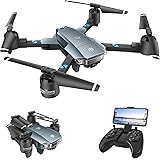
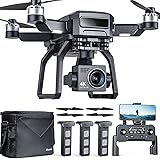
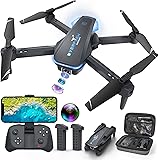
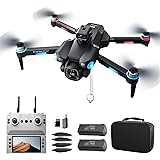
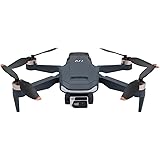
When most people envision a drone, they are likely picturing a multi-rotor model. These designs are characterized by multiple propellers—typically four (quadcopters), six (hexacopters), or eight (octocopters)—arranged around a central body. This configuration allows for exceptional stability and precision control, making them a popular choice across many sectors.
The primary advantage of multi-rotor drones is their ability to perform vertical take-off and landing (VTOL) and to hover in place with remarkable accuracy. This precise control is often utilized for tasks requiring static positioning, such as aerial photography, videography, and detailed inspections of infrastructure. For example, a quadcopter may be deployed by construction companies to monitor project progress or by emergency services to assess accident scenes from above. While their flight time is generally more limited compared to other types, their maneuverability in tight spaces and ease of operation make them highly accessible for hobbyists and professionals alike.
2. Fixed-Wing Drones: Endurance and Coverage
As their name implies, fixed-wing drones resemble traditional airplanes, relying on a single wing to generate lift through forward motion. These unmanned aircraft systems are typically launched via a runway or a catapult, as they lack the vertical take-off capability of multi-rotor devices. Once airborne, their design allows for significantly longer flight times and greater range compared to their rotor-based counterparts.
Fixed-wing drones are predominantly employed in applications that require covering vast areas efficiently. This includes large-scale agricultural mapping, geographical surveying, environmental monitoring, and long-range surveillance missions. For instance, a fixed-wing drone can map hundreds of acres for crop health analysis in a single flight, a task that would be impractical for a multi-rotor drone due to battery limitations. Their inability to hover means they are less suitable for detailed, stationary inspections but excel in data collection over extensive landscapes.
3. Single-Rotor Helicopter Drones: Power and Precision
Single-rotor helicopter drones offer a unique blend of attributes, combining the vertical take-off and hovering capabilities of multi-rotors with enhanced efficiency and payload capacity. These devices, which mimic the design of traditional helicopters, feature a large main rotor for lift and a smaller tail rotor for directional control.
Their reliance on a single, efficient rotor system allows these drones to be larger and carry substantial payloads, making them ideal for specialized industrial applications. For example, they are often utilized for transporting heavy equipment, delivering critical supplies to remote locations, or performing complex aerial spraying operations that require significant liquid capacity. The design contributes to greater fuel efficiency than multi-rotor models, extending their operational endurance for demanding tasks. However, the mechanical complexity of a single-rotor system typically translates to higher operational costs and more intensive maintenance requirements.
4. Fixed-Wing Hybrid VTOL Drones: The Best of Both Worlds
Representing the cutting edge of drone technology, fixed-wing hybrid VTOL (Vertical Take-Off and Landing) drones ingeniously combine the strengths of both fixed-wing and multi-rotor designs. These innovative systems are capable of vertical take-off and landing, thanks to integrated rotor systems, and can then transition to horizontal flight using their wings for efficient, long-range travel.
This remarkable versatility makes them a superior choice for commercial drone use where both range and precise access are critical. Companies are increasingly deploying these models for a variety of tasks, including critical infrastructure inspections over long distances, efficient package delivery in urban and remote areas, and complex search and rescue operations that require swift deployment and extensive coverage. The ability to launch from confined spaces and then cover significant ground rapidly is a key advantage, optimizing operational efficiency and reducing logistical challenges.
Classifying Drones by Size and Strategic Purpose
Beyond their aerodynamic design, drones are also frequently categorized by their size and their intended purpose, which often dictates their cost and operational environment. This distinction helps to understand the vast spectrum of drone applications, from consumer-grade recreation to advanced military strategies.
5. Small Drones: Accessibility for Everyone
In contrast to the high-end industrial and military drones, which can easily cost tens or even hundreds of thousands of dollars, small drones represent the most accessible entry point into drone technology. Typically ranging between 20 and 80 inches long, these models are often available for around $100 or even less. They are widely popular among hobbyists and new pilots, offering an affordable way to learn drone operation and experience aerial perspectives.
Small drones are commonly used for recreational flying, casual aerial photography, and educational purposes. Their compact size and lower cost make them less intimidating for beginners, allowing for experimentation without significant financial risk. Despite their smaller stature, many modern small drones are equipped with cameras, offering surprising image quality for their price point. They serve as an excellent training ground before investing in more advanced or specialized drone types.
6. Micro Drones: Covert Surveillance and Intelligence
While small drones are primarily associated with consumer recreation, micro drones are a serious tool in military and security applications. These incredibly compact unmanned aircraft systems are designed for covert operations and close-range reconnaissance. The most well-known example is the Black Hornet, manufactured for the British military, which is so small it can fit in the palm of a hand.
Micro drones are often deployed by soldiers for immediate situational awareness, allowing them to peer around corners, scout buildings, or assess threats without exposing themselves to danger. Their miniature size makes them exceptionally difficult to detect, providing critical intelligence in urban combat zones or sensitive surveillance missions. The ability to provide real-time visual feedback in complex environments is invaluable for tactical decision-making.
7. Tactical Drones: Enhancing Situational Awareness
Tactical drones represent a significant advancement in aerial intelligence, often utilized for advanced surveillance work and reconnaissance missions that require greater range and capability than micro drones. These drone types are built to be robust and equipped with sophisticated sensors, making them indispensable tools for military, law enforcement, and emergency services.
Drones like the Ravens are capable of being outfitted with specialized infrared cameras, enabling them to supply personnel with an accurate picture of an area even in challenging conditions, such as nighttime or through smoke. They are routinely deployed to gather intelligence, monitor borders, track suspects, or provide aerial support during search and rescue operations. The real-time data collected by tactical drones significantly enhances situational awareness, allowing for more informed and safer operational planning.
8. Large Combat Drones: Strategic Military Assets
When the term “military drone” is mentioned, large combat drones are often what comes to mind. These formidable unmanned aircraft systems are strategic assets designed for long-range missions, intelligence gathering, and armed engagement. Variants such as the Predator and Reaper, famously used by the US military, exemplify this category.
These large combat drones, often around 36 feet long with significant wingspans, are capable of extended flight durations and can be armed with air-to-surface missiles and laser-guided bombs. They are utilized for targeted strikes, persistent surveillance over large areas, and supporting ground forces from a safe distance. Their deployment represents a significant shift in modern warfare, allowing for precision operations with reduced risk to human pilots. The capabilities of these advanced drone types continue to evolve, pushing the boundaries of remote warfare and intelligence operations.
Flight Path to Clarity: Your Drone Type Q&A
What are drones?
Drones, also known as unmanned aircraft systems, are devices that fly without a pilot on board. They are used for many purposes, from taking photos to helping with deliveries and even defense.
What is the most common type of drone for beginners?
The most common type is a multi-rotor drone, often called a quadcopter. These are popular for beginners because they can hover in place and take off or land vertically with ease.
How are fixed-wing drones different from multi-rotor drones?
Fixed-wing drones look like traditional airplanes and are built for longer flights over vast areas. Unlike multi-rotor drones, they cannot hover in one spot.
What are fixed-wing hybrid VTOL drones?
These are advanced drones that combine the best features of both fixed-wing and multi-rotor designs. They can take off and land vertically like multi-rotors, but also fly long distances efficiently like fixed-wing drones.
What are small drones typically used for?
Small drones are generally used for recreational flying, casual aerial photography, and for people to learn how to operate a drone. They are accessible and often less expensive, making them great for hobbyists.